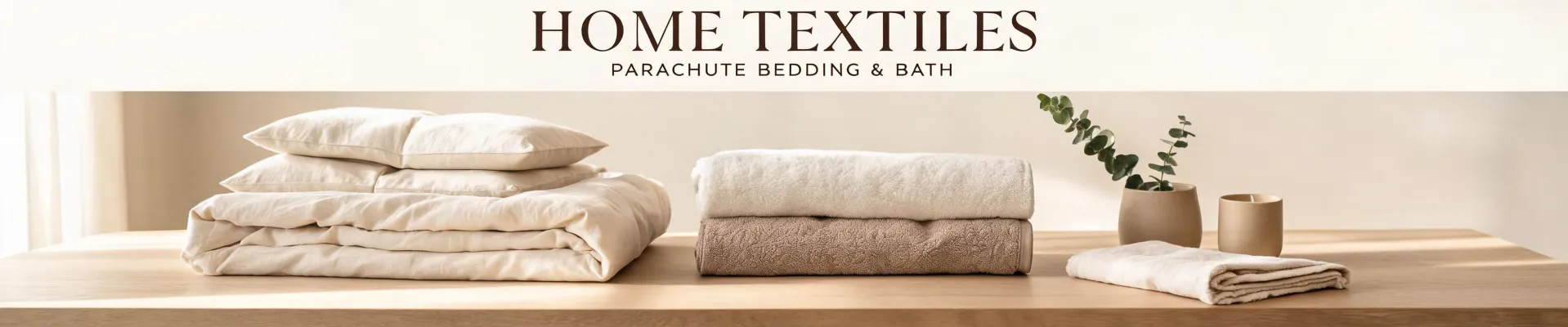
You might expect that after switching to a Parachute organic cotton puff comforter, you’d miss the heft of your old down duvet. Indeed, the first nights feel strangely light. But after a few weeks, you realize that warmth isn’t measured by weight. It’s about whether the layer can manage your body’s heat and moisture through the night. That’s the real standard.
The Night the Old Duvet Lost
Picture this: you’ve just swapped your old down duvet for a Parachute organic cotton puff comforter. The first night, you expect the familiar weight that presses you into the mattress. Instead, the puff feels weightless, like a breath of air. You lie still, waiting for warmth that doesn’t build the way you’re used to. You wonder if you’ve made a mistake, but your body is already telling you otherwise. In that quiet moment, a question surfaces: is a winter comforter supposed to feel this light? For anyone who grew up with heavy quilts, the instinct says no. But warmth isn’t just about weight—it’s about how a layer manages the heat and moisture your body releases while you sleep.
You’ve probably asked yourself the same thing while reading bedding reviews. You see a comforter labeled ‘organic’ and ‘puff,’ and your brain imagines thick, fluffy down. But after a few nights, you doubt your choice. Should a winter comforter feel this airy? Shouldn’t it have heft that says ‘I’m keeping you warm’? The disconnect comes from a mental model that equates heaviness with insulation. Yet modern bedding design has moved toward breathability and temperature regulation, not just loft. So before you decide to return it, it’s worth asking what ‘warmth’ actually means for sleep.
Rethinking Warmth: From Weight to Regulation
The old measure of a good winter blanket was thickness. You’d hold it up, feel the weight, and assume more fill meant more heat retention. But that logic breaks down when you think about why you wake up at night: often because you’re too hot. A comforter that traps every degree your body emits turns into a sweat box. The real metric for comfortable sleep is thermoregulation—the ability to wick away moisture and release excess heat while still providing insulation. This is why a lightweight comforter can outperform a heavy one for people who sleep warm. It doesn’t fight your body’s natural cooling; it works with it.
Parachute’s official page places the Quilts + Comforters section under the tagline ‘Buttery. Breathable.’ That’s a direct hint at the product’s design priority. The same page lists a Down Alternative option described as ‘Hypoallergenic microfiber,’ which shows the brand is thinking about people who avoid animal down. In practice, this means the puff is built to feel soft and to let air move through the fibers, rather than to lock in heat like a traditional duvet. If you’re used to a comforter that sits on you like a weighted blanket, the puff will feel thin. But that thinness is intentional: it’s a design choice for sleepers who overheat or prefer a lighter layer.
Buttery, Breathable, and the Clues in the Brand Page
Look closer at the brand page and you’ll see ‘Quilts + Comforters Buttery. Breathable.’ framed next to ‘New, comfort without the weight.’ That phrase acknowledges your exact worry: that a light comforter doesn’t feel substantial enough. Parachute isn’t selling you a heavy duvet; it’s selling a layer that comforts without the burden. This changes the interpretation: the brand isn’t claiming the puff is as warm as down, because in a traditional sense it isn’t. Instead, the warmth comes from maintaining a stable microclimate—letting excess heat escape while keeping a soft barrier. For a warm sleeper, that’s more valuable than a few extra ounces of fill.
The organic cotton deserves its own attention. On the collection page, Parachute groups ‘Organic Cotton’ under materials, and phrases like ‘Organic Resort Stripe’ suggest a light, resort-weight fabric rather than a heavy winter weave. Organic certification mainly concerns how cotton is grown and processed—no synthetic pesticides or harsh chemicals—so it doesn’t automatically make the comforter warmer or heavier. What it does offer is a lower allergen load and a smoother, more consistent touch over time. For someone with sensitive skin or allergies, this is a hidden benefit: the comforter won’t irritate, and it’s less likely to harbor dust mites if washed properly. In other words, the value of organic cotton here is not insulation but stability in texture and health.
Price is part of the decision, and Parachute often sweetens the deal. The FAQ page shows a standard promo: ‘10% Off Your First Order’ and ‘UP TO 15% OFF BUNDLES,’ which means you can save if you buy the comforter with sheets. At that point, the cost makes more sense against long-term use. The comforter isn’t an inexpensive buy at full price, but the promotion brings it closer to a mid-tier down alternative. Still, you should weigh whether the breathable design is worth it for your specific sleeping patterns. A 10% or 15% discount doesn’t change the fundamental question: does this solve your nighttime overheating?
Puff vs. Down vs. Polyester: Where the Real Difference Lies
To make a clear decision, put the puff next to the usual suspects. A traditional down comforter offers classic warmth and a heavy, cushioned feel, but it can be too hot for many and carries allergy risks. A polyester-filled comforter is cheap and easy to wash, but it tends to sleep hot and can feel plastic-like over time. The Parachute puff sits in a different spot: it’s lighter, lets air circulate, and doesn’t trap moisture. The trade-off is that it won’t give you that smothering, cocoon-like pressure some people associate with ‘tucked in.’ So the comparison isn’t about which is objectively better; it’s about which matches how your body handles heat.
Here’s the tension you’ll feel the first week. In the middle of the night, you might wake up and realize you’re not sweating—but you’re also not cold. That’s a new sensation for someone used to heavy down. Your brain might say, ‘This can’t be working because it’s too light.’ But your body disagrees: you’re sleeping through without kicking covers off. The decision comes down to whether you value the weight itself as a comfort factor. If you need deep pressure to fall asleep, the puff will feel lacking. If you simply want an even temperature, then lightness is an advantage. This is where you separate the feeling of ‘warmth’ from the feeling of ‘heaviness’—they are not the same.
The non-obvious judgment is that organic cotton’s real payoff is not warmth—it’s predictability. Over months, a well-made organic cotton shell stays smooth, doesn’t pill, and remains breathable. That’s why, for someone with eczema or allergies, the puff might be a better long-term investment than a cheaper synthetic. It also means you can layer it: use it alone in mild seasons or add a light blanket in deep winter. The verdict isn’t ‘the puff is warm enough’; it’s ‘the puff is designed to keep you at the right temperature.’ If your goal is to stop night sweats or avoid the weight of down, this delivers. If your goal is to wrap yourself in heavy warmth, look elsewhere.
The Morning After: What the Scale Doesn’t Tell You
That first night under the Parachute puff is now weeks in the past. You’ve stopped checking whether it’s too thin, because the proof is in your sleep: no more 3 a.m. wake-ups with a damp back, no more throwing off the duvet. The comforter does its job quietly. You’ve also gotten used to the way it feels—like a soft cloud you can move through, not a lead-filled sack. When you travel and sleep under a heavy hotel duvet, you notice the difference immediately: you wake up feeling stuffed. Back home, the puff’s lightness has become a feature you look forward to.
So here’s the reusable rule if you’re considering this comforter: first, identify your sleeping temperature. Do you wake up sweaty even in winter? Then a breathable, lightweight comforter like the Parachute puff is likely a better match than a thick down one. Do you need pressure and weight to feel secure? Then you’ll probably miss a traditional duvet. Second, don’t let ‘organic’ or ‘puff’ change your weight expectations—those labels are about materials and structure, not warmth. Finally, if you’re a warm sleeper, the puff’s breathability is not a flaw; it’s the entire point. The right test is how you feel at 3 a.m., not how heavy the blanket feels at 10 p.m.
The initial doubt faded with the weeks. The proof was in your sleep: no more 3 a.m. wake-ups, no damp back. The puff had stopped feeling too thin and started feeling right. After traveling and suffering under a heavy hotel duvet, you understood the difference—the lightness had become the feature you looked forward to.

Leave a Reply